
In the high-stakes arena of global electronic manufacturing, there is nothing more detrimental to a brand’s reputation than unpredictable field failures. Over my 13-plus years in the industry, I have sat across the table from countless procurement directors dealing with the fallout of defective products. When investigating root Circuit Board Failure Causes, one invisible culprit appears time and time again: the deadly combination of inadequate material specifications and high heat. Specifically, the direct, undeniable link between using a substrate with an insufficient Glass Transition Temperature (Tg) and the subsequent separation of board layers.
For B2B buyers serving critical sectors like AI, medical devices, and industrial control, understanding this mechanism is not just technical trivia—it is a vital risk management strategy. Today, we are breaking down why this happens and how you can safeguard your supply chain.
1. The Anatomy of the Problem: What is Low Tg?
To grasp why boards fail, we must first look at what holds them together. A standard printed circuit board is a composite material, primarily made of woven fiberglass cloth bound together by epoxy resin. The “Tg” or Glass Transition Temperature is the exact thermal threshold where this rigid epoxy resin begins to soften, shifting into a rubbery, pliable state.
When procurement teams unknowingly approve Low Tg PCB Material for demanding applications, they are essentially building a skyscraper on soft soil. Standard FR-4 materials usually have a Tg around 130°C. While this is perfectly acceptable for simple, low-power consumer gadgets, it becomes a massive liability the moment the board enters a complex assembly line or a harsh operating environment.
2. The Boiling Point: How Heat Triggers PCB Delamination
The journey from a digital design file to a physical PCBA involves extreme thermal environments. During Surface Mount Technology (SMT) assembly, boards pass through reflow soldering ovens with multiple temperature zones, often peaking well above 240°C for lead-free processes.
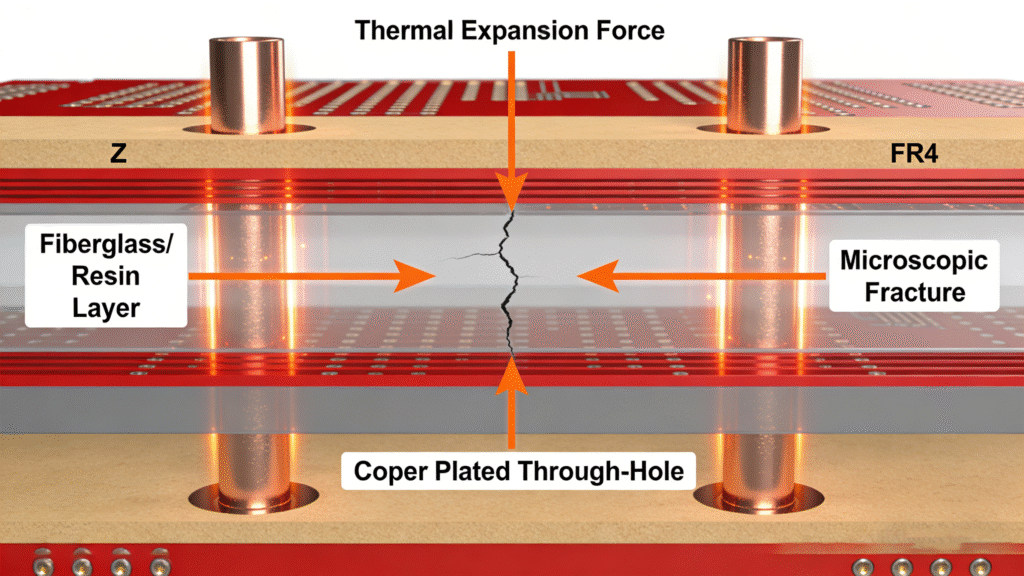
Here is where the physics turn destructive. If the assembly temperature vastly exceeds the board’s Tg limit, the material experiences severe thermal expansion, particularly in the vertical Z-axis. Because the copper vias (the plated holes connecting the layers) and the epoxy resin expand at vastly different rates under Thermal Stress in PCB, a violent mechanical pull occurs internally.
This immense internal stress literally tears the layers of fiberglass and resin apart. This separation is known as PCB Delamination. It manifests as internal blistering, cracked via barrels, and lifted pads. The devastating part? These microscopic fractures often pass basic electrical testing at the factory, only to completely sever connections once the product experiences vibration or heat in the end user’s hands.
3. The Buyer’s Defense: Specifying the Right Materials
Preventing these failures requires a proactive procurement strategy. As an intelligent buyer, the most effective way to eliminate this risk is to align the material specifications with the product’s actual lifecycle demands.
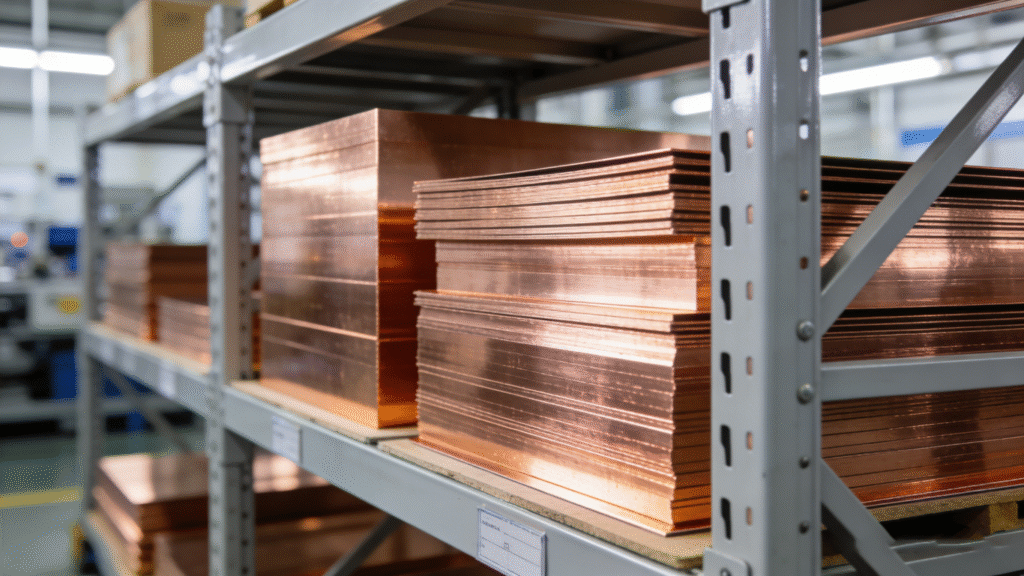
For multilayer boards (especially those exceeding 6 layers), High-Density Interconnects (HDI) with blind and buried vias, or devices operating in high-temperature environments, upgrading to High Tg materials (Tg ≥ 170°C) is mandatory. Premium substrates from trusted series like Shengyi, Rogers, Taconic, and high-frequency PTFE materials maintain exceptional dimensional stability under intense heat, ensuring the internal structures remain rock solid.
4. How High-Reliability Circuit Board Manufacturing Eliminates Risk
Material selection is only half the battle; the other half is flawless execution. A substrate is only as good as the factory processing it. At Yichao Quick Technology, our core philosophy is “sincerity as the foundation, good and fast.” We have built a digital smart factory specifically designed to engineer out the risk of delamination.
We provide High-Reliability Circuit Board Manufacturing by controlling every variable. Moisture is a massive catalyst for delamination, which is why our facilities enforce strict pre-baking protocols for all laminates before pressing. Our advanced manufacturing capabilities easily support up to 64 layers, utilizing state-of-the-art DaZu six-axis drilling machines and LDI exposure equipment to guarantee structural perfection.
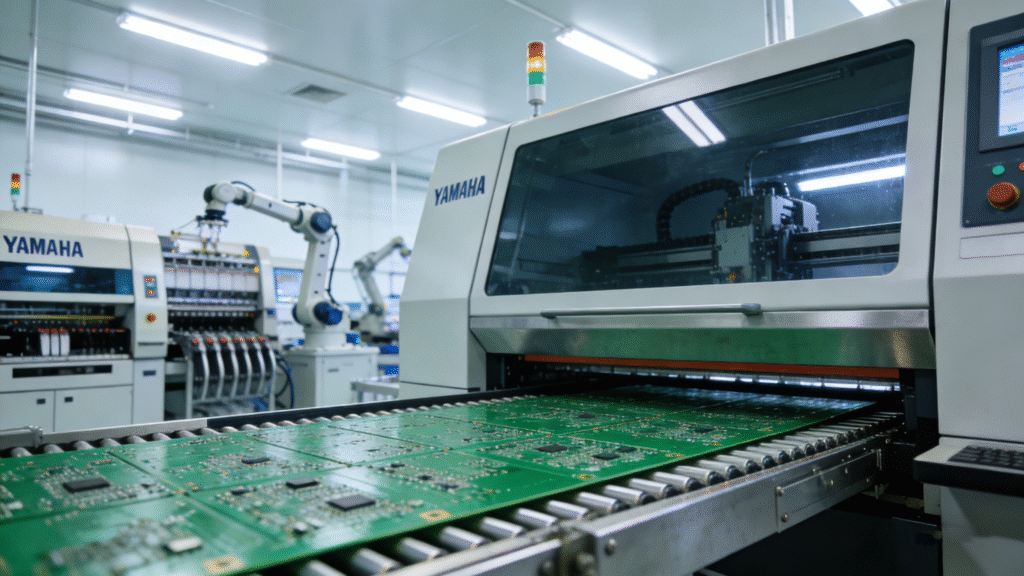
Furthermore, our assembly lines are fortified. With 25 Yamaha surface mount machines, 4 sets of 10-temperature zone reflow soldering machines, and rigorous X-RAY and AOI testing, we maintain a staggering 99.8% product pass rate. From 1-minute online ordering to 12-hour fast shipping, our transparent manufacturing model ensures that your prototypes and mass-production runs are built to survive.
Conclusion
Understanding the root causes of circuit board failure empowers you to make smarter, more secure purchasing decisions. By recognizing the limitations of low Tg materials and partnering with a manufacturer that possesses deep industry experience, robust quality certifications (ISO9001:2015, IATF16949), and uncompromising testing standards, you protect both your product and your bottom line. Do not let invisible thermal stress dictate your success—demand manufacturing excellence from the substrate up.