
In the consumer electronics space, a device failure is an inconvenience; in the industrial sector, it is a financial catastrophe. Over my decades navigating the complexities of high-end manufacturing, I have witnessed entire automotive assembly lines and critical power grids grind to a halt. The culprit is rarely a software glitch or a faulty microchip. More often than not, the root cause is hidden deep within the physical infrastructure of the hardware: the disastrous decision to utilize Low Tg PCB Material in a harsh, unforgiving environment.
Industrial electronics—ranging from motor drives and programmable logic controllers (PLCs) to heavy-duty power supplies—operate under conditions that would destroy standard commercial boards in days. For B2B procurement managers and systems engineers, understanding how operational thermal stress interacts with base laminates is the ultimate key to preventing unscheduled downtime.
1. The Harsh Reality of the Factory Floor
Unlike a climate-controlled server room or an office desk, industrial environments are brutally dynamic. Circuit boards deployed in manufacturing facilities, mining operations, or outdoor telecom enclosures face continuous, 24/7 operation. They are subjected to aggressive thermal cycling—rapid shifts from freezing outdoor temperatures to the intense radiant heat of nearby heavy machinery.
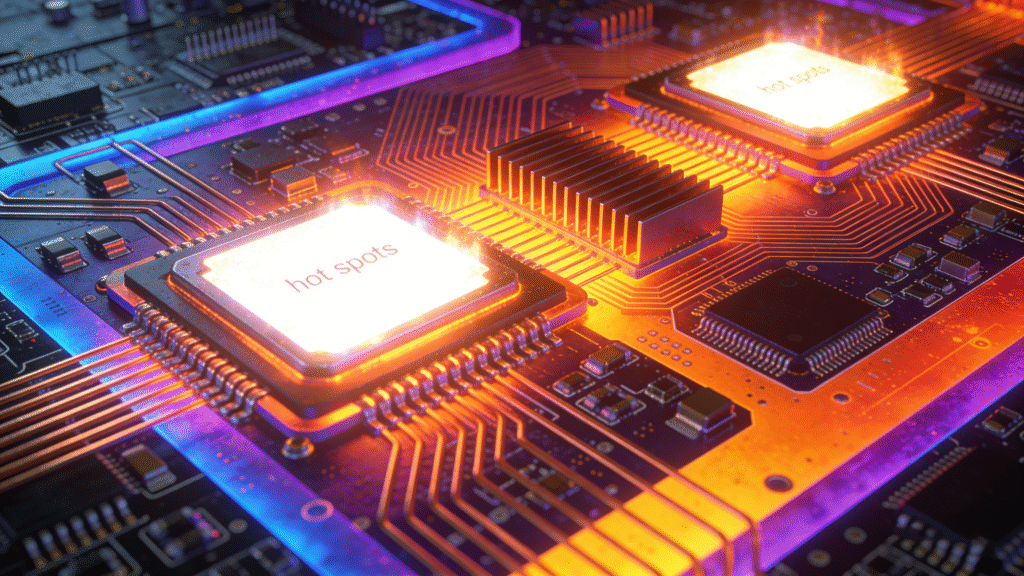
Furthermore, industrial equipment intrinsically generates its own heat. High-current power loads and continuous processing demands create severe localized hot spots on the board. Without proactive PCB Thermal Management Solutions, the internal temperature of the enclosure can quickly exceed the safe operating limits of standard materials. When a substrate is pushed beyond its thermal capacity, it ceases to be a stable foundation and becomes an active threat to the circuitry it supports.
2. Why Standard FR4 Glass Transition Temperature is Insufficient
To understand the vulnerability, we must look at the substrate itself. The Glass Transition Temperature (Tg) marks the exact point where a rigid epoxy resin begins to soften, expand, and lose its mechanical integrity. In standard commercial boards, the FR4 Glass Transition Temperature typically hovers around 130°C to 140°C.
While 130°C might seem high, it provides an alarmingly thin safety margin for industrial applications. Keep in mind that continuous exposure to temperatures even 20°C below the Tg limit can accelerate material aging and degrade electrical insulation properties over time. When a high-power industrial control unit operates continuously at 100°C ambient, a standard FR4 board is already on borrowed time. It will gradually warp, pulling on surface-mounted components and fracturing solder joints. For mission-critical automation, specifying a high Tg material (170°C or above) is not an “”upgrade””—it is an absolute engineering prerequisite.
3. Lessons from Printed Circuit Board Failure Analysis
When an industrial system fails, the subsequent investigation often reveals a grim picture. Conducting thorough Printed Circuit Board Failure Analysis on returned field units consistently points to material breakdown caused by thermal fatigue.
The transition of a low Tg material into a softened state causes exponential expansion in the vertical (Z-axis) plane. This expansion exerts immense physical force on the plated through-holes (PTH) that connect the board’s internal layers. Over months of thermal cycling—heating up during a factory shift and cooling down when powered off—these copper barrels suffer metal fatigue and eventually crack. This results in intermittent electrical faults. A robotic arm might suddenly miscalibrate, or a sensor might drop a critical reading, leading to hours of costly diagnostic troubleshooting before the hardware is finally identified as the culprit.
4. Designing High-Reliability Circuit Boards for Uptime
Protecting your capital expenditures requires a fundamental shift in procurement strategy. You cannot achieve industrial-grade reliability with consumer-grade materials. Designing High-Reliability Circuit Boards demands a holistic approach to thermal and mechanical robustness.
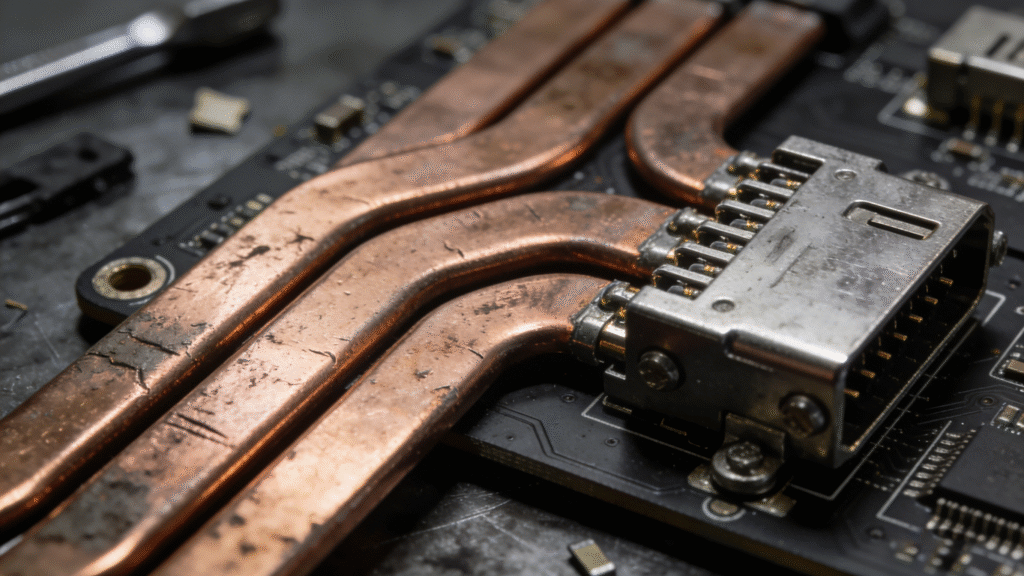
Engineers must pair High Tg laminates with appropriate copper weights. Thick copper (2oz to 6oz or more) acts as an excellent heat sink, distributing thermal loads evenly across the board and preventing localized hot spots. Additionally, utilizing advanced thermal interface materials (TIMs), aluminum-backed substrates for power LEDs, or thermoelectric separation techniques ensures that extreme heat is efficiently channeled away from delicate logic components.
5. Securing Your Supply Chain with Elite Industrial PCB Manufacturing
The gap between a brilliant industrial design and a durable physical product is bridged by the manufacturer. Since our establishment in 2013, Yichao Quick Technology has focused relentlessly on high-end manufacturing fields, including AI, new energy, and industrial control. We know that in Industrial PCB Manufacturing, precision and material integrity are non-negotiable.
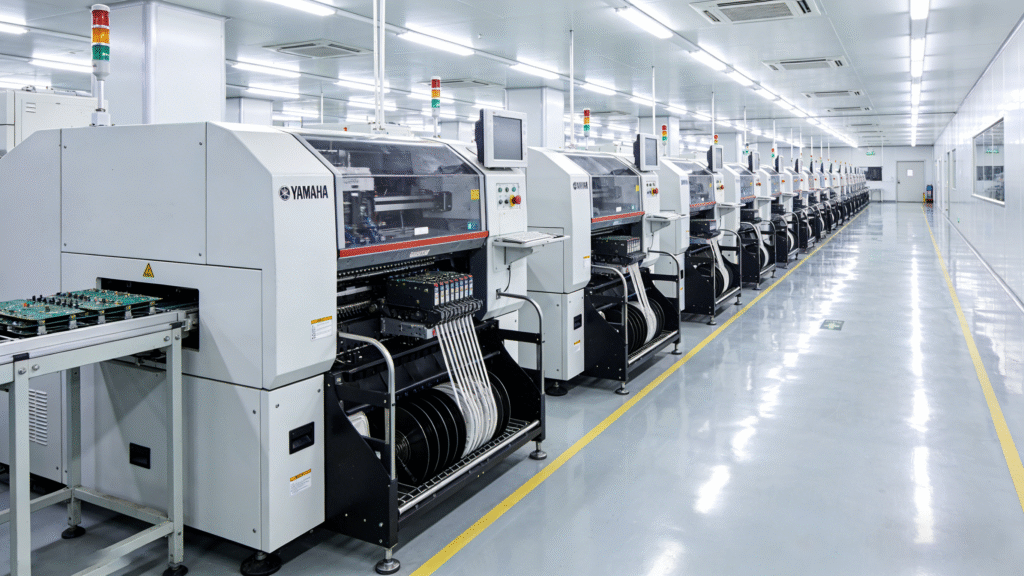
Serving over 1 million users globally, our digital smart factory is uniquely equipped to handle the most demanding specifications. We routinely process premium high-Tg materials (such as Shengyi, Guoneng, and Rogers) and support massive structural complexity up to 64 layers. Our facility is fortified with internationally advanced equipment—including LDI exposure machines and fully automated AOI testing—to ensure a staggering 99.8% product pass rate.
Furthermore, because industrial failures demand immediate solutions, our 1-minute online ordering system and 12-hour fast shipping capability mean that critical replacement parts or rapid prototypes are delivered without delay. Backed by ISO9001:2015, ISO 14001, ISO13485, and IATF16949 certifications, we guarantee that every board we produce is built to survive the crucible of the factory floor.
Conclusion
In the industrial sector, the true cost of a printed circuit board is not its purchase price, but the cost of the downtime it can cause. By understanding the severe limitations of low Tg materials and investing in advanced thermal management strategies, you protect your infrastructure. Partnering with a proven, certified manufacturer like Yichao ensures that your industrial electronics are engineered not just to function, but to endure. ”